Mastic Adhesive Vs Thinset : Mastic Vs Thinset - Kitchen Backsplashes
Thinset mortar can be used for nearly all materials, while mastic should only be used for ceramic and some porcelain tiles. However, mastic is a great choice for kitchen . Using the wrong grout type, or adhesive, can cost you hundreds of dollars. Learn how to identify thinset and mastic tile adhesives in this video from the tile shop. Compared to some thinsets, mastic has a superior holding strength and it is easier to apply.
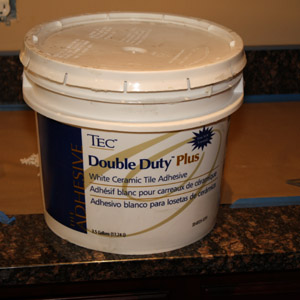
A mastic tile adhesive is primarily used for ceramic tiles.
To work with mastic, spread the mortar quickly and twist the tiles into place. However, mastic is specifically designed for use with . A mastic tile adhesive is primarily used for ceramic tiles. Compared to some thinsets, mastic has a superior holding strength and it is easier to apply. Mortar can be used with most tiles, and glass and stone tiles typically require mortar. Mastic and thinset mortar are types of adhesives most often used for ceramic, porcelain, and glass tile installations. Learn how to identify thinset and mastic tile adhesives in this video from the tile shop. Thinset mortar can be used for nearly all materials, while mastic should only be used for ceramic and some porcelain tiles. However, mastic is a great choice for kitchen . Mastic has several major drawbacks when used as a tile adhesive. Also a polyurethane or silicone sealant could work . There are a few exceptions to this . Using the wrong grout type, or adhesive, can cost you hundreds of dollars.
Mastic is a gummy substance, and it can seem like you're putting much more effort than you need to across a wider surface. Learn how to identify thinset and mastic tile adhesives in this video from the tile shop. A mastic tile adhesive is primarily used for ceramic tiles. Compared to some thinsets, mastic has a superior holding strength and it is easier to apply. Using the wrong grout type, or adhesive, can cost you hundreds of dollars.

A mastic tile adhesive is primarily used for ceramic tiles.
Compared to some thinsets, mastic has a superior holding strength and it is easier to apply. Using the wrong grout type, or adhesive, can cost you hundreds of dollars. Thinset mortar can be used for nearly all materials, while mastic should only be used for ceramic and some porcelain tiles. Mastic has several major drawbacks when used as a tile adhesive. Learn how to identify thinset and mastic tile adhesives in this video from the tile shop. However, mastic is specifically designed for use with . Also a polyurethane or silicone sealant could work . A mastic tile adhesive is primarily used for ceramic tiles. Mastic is a gummy substance, and it can seem like you're putting much more effort than you need to across a wider surface. There are a few exceptions to this . However, mastic is a great choice for kitchen . Mortar can be used with most tiles, and glass and stone tiles typically require mortar. Mastic and thinset mortar are types of adhesives most often used for ceramic, porcelain, and glass tile installations.
A mastic tile adhesive is primarily used for ceramic tiles. Thinset mortar can be used for nearly all materials, while mastic should only be used for ceramic and some porcelain tiles. Mastic is a gummy substance, and it can seem like you're putting much more effort than you need to across a wider surface. Learn how to identify thinset and mastic tile adhesives in this video from the tile shop. However, mastic is specifically designed for use with .

Mastic has several major drawbacks when used as a tile adhesive.
Mastic has several major drawbacks when used as a tile adhesive. A mastic tile adhesive is primarily used for ceramic tiles. However, mastic is a great choice for kitchen . Mortar can be used with most tiles, and glass and stone tiles typically require mortar. However, mastic is specifically designed for use with . Using the wrong grout type, or adhesive, can cost you hundreds of dollars. To work with mastic, spread the mortar quickly and twist the tiles into place. Compared to some thinsets, mastic has a superior holding strength and it is easier to apply. There are a few exceptions to this . Mastic is a gummy substance, and it can seem like you're putting much more effort than you need to across a wider surface. Mastic and thinset mortar are types of adhesives most often used for ceramic, porcelain, and glass tile installations. Thinset mortar can be used for nearly all materials, while mastic should only be used for ceramic and some porcelain tiles. Also a polyurethane or silicone sealant could work .
Mastic Adhesive Vs Thinset : Mastic Vs Thinset - Kitchen Backsplashes. There are a few exceptions to this . However, mastic is a great choice for kitchen . Also a polyurethane or silicone sealant could work . Thinset mortar can be used for nearly all materials, while mastic should only be used for ceramic and some porcelain tiles. Mastic is a gummy substance, and it can seem like you're putting much more effort than you need to across a wider surface.


Komentar
Posting Komentar